Farmland Investing for Accredited Investors
19 January, 2026
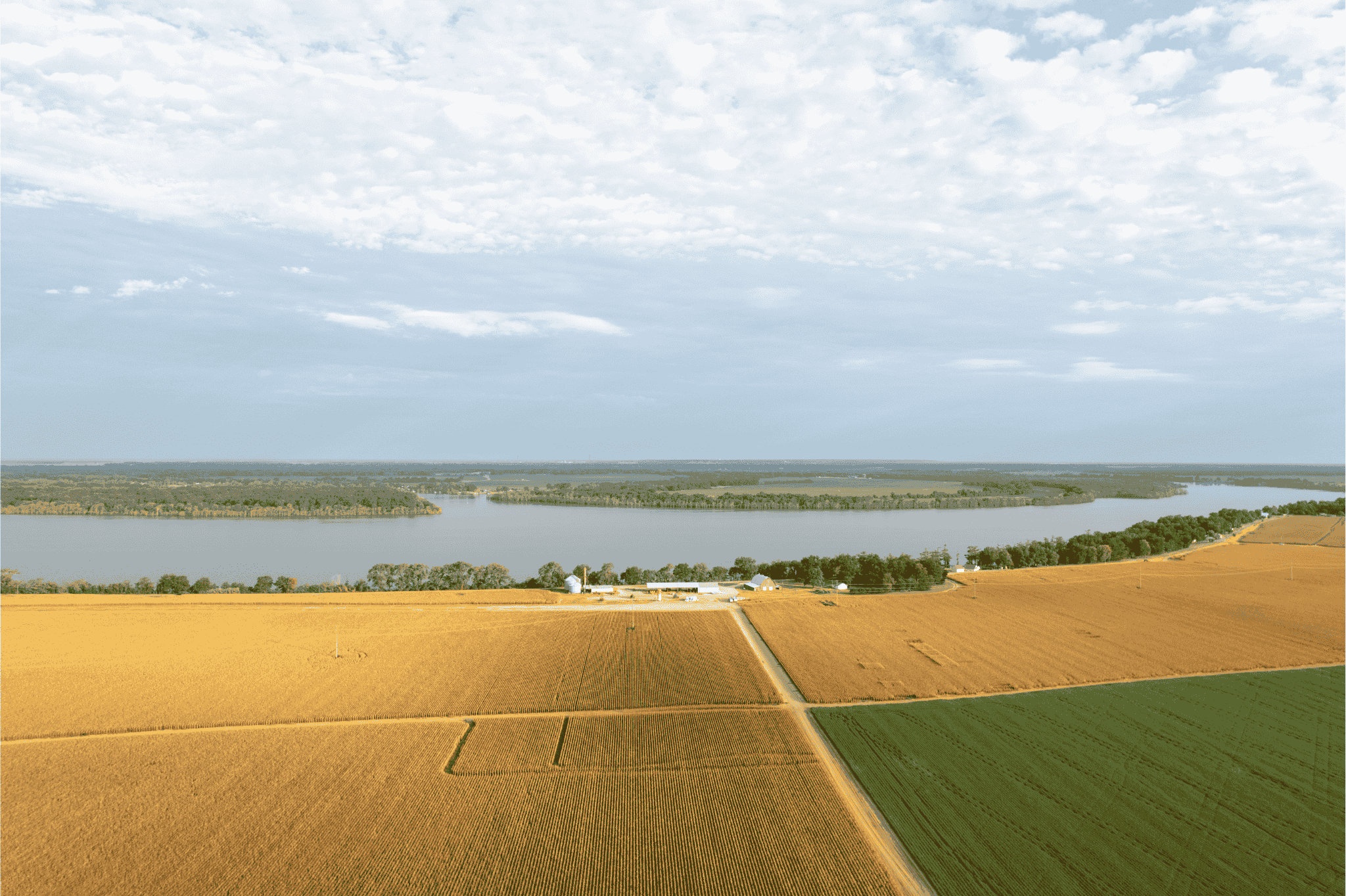
Farmland Investing for Accredited Investors: Consistent Yield & Wealth Protection
Accredited investors are increasingly moving capital into U.S. farmland to find durable, income-producing assets backed by real-world fundamentals. In an era of market volatility and inflation, farmland serves as a foundational long-term allocation.
What are the Primary Benefits of Farmland Investing?
Unlike financial assets driven by sentiment, farmland value is supported by essential food demand and limited land supply. It offers a "dual-return" structure similar to "gold with a coupon," combining asset growth with annual yield.
- Consistent Income: Generated through annual cash rents or crop-share agreements.
- Long-Term Appreciation: Driven by rising land values over decades.
- Inflation Resistance: Land values and cash rents historically rise alongside commodity prices and general inflation.
- Low Market Correlation: Farmland performance has a historically very low correlation to the S&P 500, REITs, and bonds.
Row-Crop Farmland vs. Permanent Crops
Institutional capital often favors row-crop farmland (corn, soybeans, cotton, rice, wheat) over permanent crops due to its lower risk profile.
- Risk Level: Lower biological and regulatory risk.
- Flexibility: Annual replanting allows farmers to adjust to market conditions.
- Market Depth: Deep global liquidity for staple commodities.
- Duration: Predicable, income-oriented structure for long-term capital.
The "Mid-South Advantage" in Farmland Allocation
LandFund Partners focuses on the Mid-South region, which offers structural benefits not found in the Midwest or Western U.S.
- Reliable Water Access: The region overlays the Mississippi River Alluvial Aquifer, providing over 300 years of reliable water resources.
- Relative Value: Mid-South farmland is typically 30–50% less expensive than comparable Midwest acreage, offering higher return potential.
- Diverse Crop Rotation: Soil and climate flexibility allow farmers to choose from a wider range of commodities annually, increasing the chance for profitability and reducing systemic risk.
How LandFund Partners Manages Farmland Assets
Farmland is a durable asset, but professional management is essential for performance. LandFund Partners (LFP) utilizes a "value-add" strategy to enhance institutional-grade farms.
- Value Creation: LFP improves land through irrigation upgrades, grain storage infrastructure, and precision leveling.
- Soil Enrichment: Active soil-health and regenerative farming initiatives increase long-term productivity and asset value.
- Income Stability: Strong tenant relationships and cash-rent structures provide consistent annual income.
Performance: The Soil Enrichment Fund
Since its 2021 launch, LandFund’s Soil Enrichment Fund has delivered a 16.5% net annualized return. This performance outpaces traditional benchmarks through a focus on undervalued, high-quality row-crop assets in the Mid-South.
Why Invest in Farmland Now?
Farmland is built for capital preservation and long-term compounding, not short-term speculation. Artificial intelligence has not only stretched valuations of large technology companies, but the implications of AI technology are now driving stock prices lower for previously reliable businesses. For investors looking to mitigate uncertainty in equity markets while increasing diversification, farmland is one of the most structurally sound real-asset opportunities available today.
To learn more about investing in farmland as an alternative asset:
- Get in touch with our team: Investment Interest Form Fill
- Newsletter Signup: LFP Newsletter
- Learn more about Mid-South Farmland: LFP Mid-South Farmland Whitepaper
- Email: ir@landfundpartners.com
